Tag: security

  • Email Security Tips

    Email Security Tips

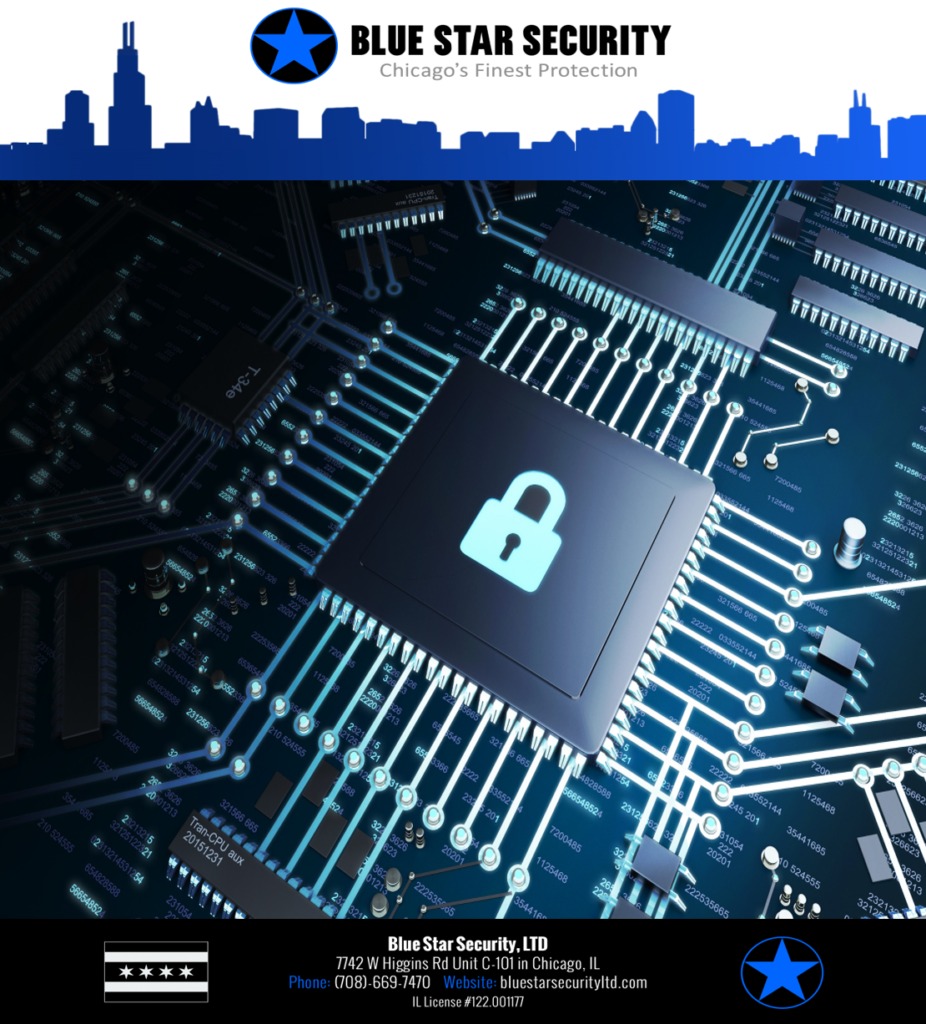
    Internet security is a topic that we all know to be important, but it often sits way back in the recesses of our minds, fooling ourselves into believing that “it won’t happen to me”. Whether it’s the destructive force of the newest virus, we’re always only one click away from dealing with a security mess that we’d rather not confront. Nowhere is this truer than in our emails.

    Safe online practices are important to keeping your online identity unadulterated and free from viruses, hackers, and all sorts of Internet-based shenanigans. And the best place to start? Your inbox.

    Here are some simple yet important security tips you should know in order to keep your email account as secure as possible.


    1. Use Separate Email Accounts
    If you’re like most people, your email account is probably the centralized hub of your personal activity. All of your Facebook notifications, website registrations, newsletters, messages, etc. get sent to your email box, right? That means you’re putting all of your eggs in one basket – if that basket happens to fall, you’ll lose all your eggs with it.

    Having separate email accounts will not only help boost your security, but also your productivity. Imagine if you could consolidate all of your work emails into a single work account; all of your friends and family communicate with your personal account; you have a recreational account for various websites; and a throwaway account for potential spam links. This way, if someone hacks your work account, all of your personal emails are still safe.


    2. Create A Unique Password – Not the same as your other accounts!!!
    Going along with the multiple account idea, you should also have an entirely unique password for each of your email accounts. Even if you decide to keep one “master” email account, make sure that its password is 100% unique.

    This is common advice, I know, but so many people still neglect it. Admittedly, for the longest time, I too used the same password for literally every account that I had. When one of my friends figured out my password (without messing with anything, thankfully), I knew it was time to wise up.


    3. Beware Of Phishing Scams
    When dealing with a particular company or product that requires account information, have you ever seen the following message: “Never give away your personal information. We will never ask you for your password.” When someone sends you an email asking you for your personal information, you know right away that it’s a trick.


    4. Don’t Always Click Link In Emails
    Phishing brings me to my next point. Whenever you see a link in an email, 99% of the time you should not click on it. The only exceptions are when you’re expecting a particular email, such as a forum registration link or game account activation email. Things like that.

    If you receive a spam email that tries to sell you a particular service or product, never click on any of the links inside. You never know where they’ll lead you. Sometimes they might be safe; other times they’ll bring you straight to the doors of hell and swarm you with malware and viruses.

    If you get an email from your bank or any other service (e.g., bill payments), always visit the website manually. No copy and paste. No direct clicking. You’ll thank yourself later.


    5. Do Not Open Unsolicited Attachments
    Attachments are a tricky thing when it comes to email. If you’re expecting something from a buddy or an uncle, then sure, go ahead and open the attachment. Have a laugh at the funny photo they sent you. It’s all good when you know the person sending the attachment.

    But if the email is unsolicited, never open any attachments. Even if the file looks innocent, you could be in for a world of hurt. Filenames can be spoofed. JPEGs could be EXEs in disguise and those EXEs will run as soon as they’re downloaded. And then you’ll have a virus on your hands.


    6. Scan For Viruses & Malware
    If you open an email and it seems suspicious in any way, go ahead and run a malware and virus scanner. Not every spam email will infect you with a virus and it may seem like overkill to run a malware scanner every time you open a fishy email, but it’s better to be safe than sorry. The one time that you decide to let it go could be the time your computer loads a key-logger.


    7. Avoid Public Wi-Fi
    And lastly, avoid checking your email when you’re on public Internet. Yes, I know that when you’re waiting for an airplane to reach your gate, it can be tempting to whip out your smartphone or laptop and check for new messages. Unfortunately, public Wi-Fi can be extremely insecure.

    There are programs out there called “network sniffers” that run passively in the background of some hacker’s device. The sniffer monitors all of the wireless data flowing through a particular network – and that data can be analyzed for important information. Like your username and password.

  • How To Keep Yourself Safe During Vacation

    How To Keep Yourself Safe During Vacation

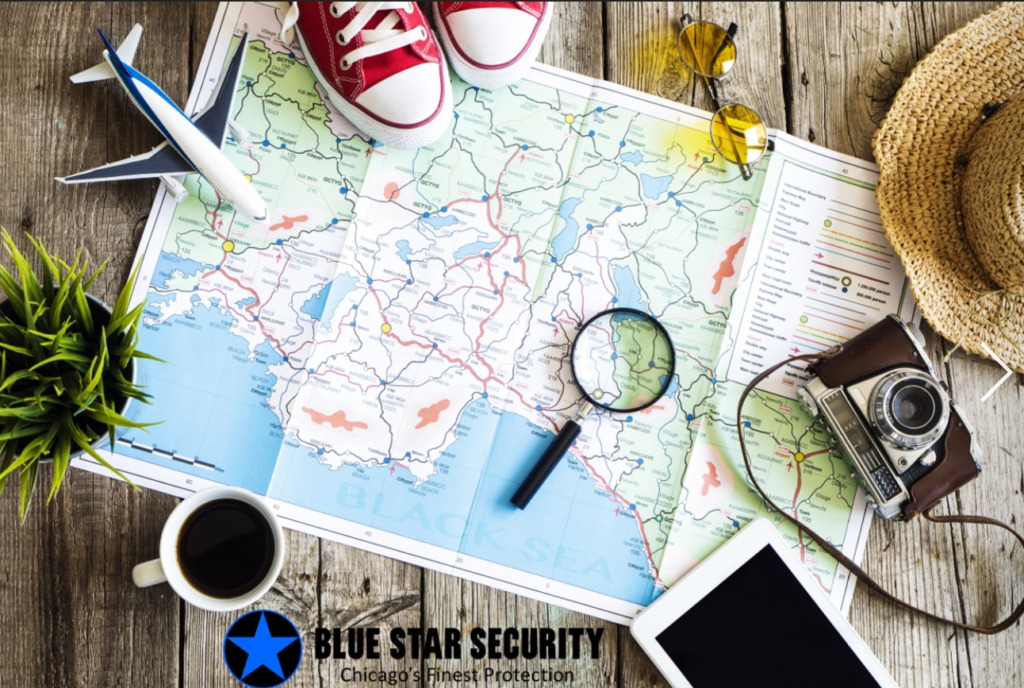
    We’ve all heard horror stories of people being robbed, pick-pocketed and targeted while traveling, but you shouldn’t let that make you afraid to travel.

    If you take the appropriate precautions while traveling to protect yourself from avoidable trouble, you’ll be just as safe on the road as you are at home.

    Traveling isn’t any more dangerous than stepping out your own front door. There are some things that are just unavoidable. But you can always arm yourself with the knowledge and skills to keep yourself safe no matter where in the world you are.


    Use common sense, keep calm, and follow these principles to stay safe while on vacation:

    • 1. Always be alert and aware of your surroundings. It’s easy to get distracted as a tourist, so be extra careful not to become so worried about snapping the perfect picture that you forget your surroundings. Major tourist attractions are a hot spot for pickpockets.
    • 2. Don’t carry your camera around your neck. The more you look like a tourist, the more you look like a a target. If your camera has a strap, wear it across your body so it blends in.
    • 3. Don’t wear expensive (or any) jewelry. Those rings or necklace you wear every day at home can make you a target. There’s no need to take jewelry with you on vacation. It’ll be there when you get home.
    • 4. Know where you’re going. Look up directions beforehand and carry a map with the route marked, in case you find yourself lost or need help getting back. It’s much easier to show someone your map than to explain in a different language.
    • 5. Be extremely cautious when hailing a cab. Don’t get into an unmarked cab. In some countries, it’s normal to use unmarked taxi services, just be aware of the situation and if you feel unsafe for any reason, wave them on and don’t get in.
    • 6. Carry protection, such as a can of spray mace, just in case. It’s very unlikely you’ll have to use it, but you’ll feel better having it available.
    • 7. Don’t trust the nice fellow who follows you down the street. They’ll ask where you’re from and miraculously, they have a brother who lives there! While many (if not all) of them are not dangerous, this is a scam that’s used everywhere to make you feel comfortable and let down your guard. Don’t fall for it. Just smile and keep walking.
    • 8. Overindulgence often leads to inattentiveness. If you’re going to be drinking, make sure you have a safe and guaranteed way home.
    • 9. Use the buddy system. It worked in grade school, why not use is while on vacation too? Stay with your travel partner as much as possible, and work together to stay alert of surroundings and keep track of details.
    • 10. If traveling alone, make sure someone at home or at the hotel knows where you’ve gone and when you’ll return. Leave hotel information at home, along with a copy of your travel information, and passport at home with a friend or family member, and consider texting at regular intervals when in more dangerous locations.
    • 11. Pay for tours and activities with a credit card. Ideally, you’ve researched a reputable company in advance, but in case something happens, you can fall back on your credit card to reverse charges for a tour that doesn’t go through. You can be sure you’ll never get any cash deposits or payments back.
    • 12. Familiarize yourself with the town or city you’re visiting so you’re aware of neighborhoods or streets you should avoid and be especially careful when walking in an unfamiliar place in the dark.
    • 13. Store any valuables, including extra cash, jewelry, electronic devices and your passport in the hotel safe.
    • 14. If you need to carry a backpack, consider placing a small luggage lock on each compartment if you wear it on your back. You’ll look like a tourist wearing it on your front. It’s best not to bring a pack at all to locations with known pickpocket problems.
    • 15. Don’t carry too much cash around and never pull out a wad of cash or flash a stack of bills. Keep the amount you need to pay for a taxi or a ticket in your pocket separate from your other cash so you don’t have to show how much cash you have on you.
    • 16. When pulling cash out of an ATM, choose a machine in a well-lit, high traffic area like at the airport or a mall and put the cash away immediately.
    • 17. Use common sense. If it doesn’t seem right, it probably isn’t. Even if something may be harmless, if you don’t feel right about, or it seems fishy in any way, you’re better off avoiding it. Trust your instincts.


  • Private Investigating

    Private Investigating

    Despite great effort, identify theft is still one of the most prevalent crimes in America. Thieves appear to be getting more and more tech savvy, as we store more of our personal information digitally.

    Here’s the thing — all it takes is a small opportunity for a thief. Even if you protect yourself from obvious attacks, all it takes is opening the wrong email for a thief to gain access to your personal information. However, it’s simple to avoid these small mistakes and the damage they can do, if you know what to look out for.


    In this post, we’ll cover how to protect your personal information, and some often overlooked things a private investigator would suggest you keep an eye out for


    If you have reason to think your identity has been stolen, you can always come back to this post, and see where to report it.


    Physical Documentation:

    Most people only have a few important documents, and these are some of the most important things to safeguard. From your bank statements and bills to social security cards and passports, here are some easy things you can do to protect your identity:

    •  Invest in a shredder. You should be shredding all important documentation that’s not needed. Even though it’s rare today, thieves will still dumpster dive for personal information.
    •  Secure your mailbox. A thief can easily walk to your mailbox and take any letters of value. Make sure you secure and check your mailbox often. If you send or receive especially sensitive information, consider sending them from your local post office.
    •  Secure your government documents. You should never carry your social security card, birth certificate, or passport on your person without reason. Memorize your social security number and lock it up with your birth certificate and passport. Safe deposit boxes work great from this.


    Private Investigator Tip: If any company or organization asks for your social security number, make sure that you ask why they need it, how they protect it and what happens if you don’t give it to them. It’s a good practice to only give your social security number to those that absolutely need it and to be sure that those that receive it have adequate security procedures. I

    Online:

    As our society moves closer to doing any and everything digitally, hackers and thieves are becoming more and more tech-savvy. Protecting your personal information online isn’t the easiest thing to do, especially as these thieves think of new ways to trick their victims. However, if you follow these simple rules you can help protect yourself from online attacks:

    •  Antivirus and antispyware software. Most of us just click-out when our antivirus software pops up. We should all get out of this habit.
    •  Change your passwords often. This is fairly straightforward. If you’re not creative enough to continually come up with new passwords (I’m in this group), try LastPass. LastPass will automatically and continually generate complex passwords and store them in one secure easy to use place.
    • Shop securely. When you’re shopping online make sure that the vendor’s website is secure before checking out. You can tell if a site is secure by the ‘padlock’ in the URL. If there’s no padlock, don’t enter any personal information – especially credit card details.
    • Don’t fall for phishing emails. Phishing is the practice of sending fraudulent emails to try and trick someone into sending sensitive or credit card information. Even Amazon’s branding is being used as a disguise to trick people into handing over their sensitive information. It’s a good habit to never send sensitive information via email. If you receive a message asking for sensitive information and you think it’s illegitimate, google the institution in question and call them directly (don’t use any phone numbers in the email) and see if they indeed asked for the information, and why. Large banks and companies usually have policies in place to never ask for sensitive information via email. It’s very unlikely they would be asking for this information.
    • Don’t overshare on social media. It’s ok. You can keep posting all those selfies. We mean to try to keep the personal information on your profile at a minimum, and only give those you trust access to your profile. There are a surprising number of people posting photos of their passports, credit cards drivers licenses and more…
    • Is your Wi-Fi connection secure? If it isn’t, a thief can conceivably gain access to your information through that same connection. When using public wi-fi, try to avoid entering any personal information like logins, passwords, and account numbers, and make sure you know the identity of every network you connect to – don’t just connect to unsecured networks willy-nilly.
    • Be vigilant. Don’t be a bystander. Actively monitor your accounts and credit score for irregularities. Although your bank and companies like Google are good at flagging weird transactions and logins on new devices, you’re going to be the first one to feel the effects if your identity is stolen. It’s also a good idea to see where you are currently logged in on services like, Facebook, and Gmail.

    Private Investigator Tip. Make sure to keep an eye out for large data breaches at companies like, Target, Sony, Yahoo. If your personal information is stored with a company that ends up being the victim of a hack. Make sure to immediately change the passwords of all your accounts, and keep an eye out for any weird activity.


    What to do if your identity has been stolen


    It’s happened. Despite your best efforts, someone has managed to get a hold of your information and is stealing from you. What do you do now? Keep a level head and follow these easy tips:

    •  Report the theft to your financial institutions. Call your banks and credit card companies to report the fraud immediately. That way they can freeze your accounts and limit the damage as soon as possible.
    •  Report the theft to the Federal Trade Commission (FTC). This government agency will give you your written statement called an Identity Theft affidavit. Your affidavit will be a key component when reporting the theft.  The FTC also offers recovery plans and assistance to victims of identity theft.
    •  Report the theft to your local police department. Just like any other crime, you need to get the police involved. Once you have your police report you’ll have everything you need. This report will be instrumental in ending any fraudulent activity and hopefully catching the thief.
    •  Report the fraud to the companies/institutions where the fraudulent accounts were created. The sooner you let these organizations know the sooner they can stop charging you or affect your credit.


    Remember, private investigators are good at determining someone’s true identity and motives. If someone is asking for information or money and you’re not quite sure about handing it over, we can help make sure that your identity (and money) is safe.

    Hopefully, this post helped outline some easy everyday things you can do to protect your identity. Even though the damage a thief can do with your information is incredible, there’s no need to be overly cautious and never share your information with anyone – just make smart choices about who has access to your personal information.

    Blue Star Security is a full-service, licensed and insured investigative firm. We provide professional, confidential and cost-effective investigative solutions nationwide. All of our investigators are off duty police officers. We offer investigative solutions for insurance fraud, workers’ compensation, claims of disability, infidelity investigations, cohabitation, civil investigations and criminal investigations.

    Contact us TODAY to schedule a FREE security assessment!!!

  • Five Tips To Improve Your Corporate Security

    Five Tips To Improve Your Corporate Security

    Companies are busy upgrading their systems, hiring employees and partnering with third parties to keep up with the pace of change. So, what do IT leaders need to prioritize to be sure their efforts have both an immediate and long-term impact on the integrity of their networks and systems?

    The first step is to develop a strategy that brings an organization together to understand WHY cybersecurity is the responsibility of all employees. From there, it’s about what role all individuals can take in building a level of defense that suits a particular organization’s size and needs.

    While the following five suggestions are not exhaustive by any means, they will certainly strengthen your security posture, have a meaningful impact and – best of all – are relatively easy to implement by leveraging current resources.


    Be Integrated:
    Security is not one person or one team’s responsibility. A security strategy needs to be embedded in your organization on multiple levels and across departments. Consider creating a security council that has representatives from the various business units in your company. Having different perspectives will bring unique ideas to the table and can also enable organizational alignment on the prioritization of threat protection. Likewise, build and/or expand your network outside of your company to extend the discussion around potential issues and learn about new threat mitigation strategies.

    Deputize Security Advocates:
    There is always a group of employees who hold security in higher esteem than others. It is important that you identify those resources and leverage their expertise. They are often the best to learn and take counsel from because they have their ear to the ground … in some cases, even more than some engineers. These advocates are also often the ones who will technically train others and recommend new ideas and approaches to solve problems. Consider having these individuals lead special security projects or, perhaps, ask that they represent security for their respective function or business unit.

    Institute Awareness Programs:
    The first line of defense in any company is your employee base. Through continuous training, employees can alert your security team to things that look suspicious. Teach them about cyber-attacks, social engineering, phishing, etc. and do it in multiple ways across multiple mechanisms (email updates, blog posts, posters, online training). The more your employees know, the more they will be on guard and will help you defend.

    Engage the C-suite:
    It is imperative that the CEO and other C-suite executives are advocates and participants in security issues and discussions. When leaders discuss concerns, others take notice. Be creative, too!! Ask your executives to talk about security in their ‘All Hands’ employee meetings; to send out an email about a particular security topic; to blog about it; etc. I know one senior executive who dressed up as a fisherman at an employee meeting and spent time talking about the importance of security and that phishing was no joke. It drove the point home.

    Check Your Incident Management Process:
    Most companies have a process to follow for day-to-day issues that arise when something goes wrong – like when an application goes offline or a video isn’t working. Make sure that your incident management process can be followed for security events, too. The only real difference to consider is the escalation path and who to involve during an event. Security events can be highly sensitive so you may be selective of who to involve – or not involve – depending on the issue. The bottom line is you do not want to worry about who or when to involve someone during a crisis. Be sure to frequently test your process from time to time as well.


    Blue Star Security will help protect your people, your physical assets, your corporate data and your intellectual property on a global scale. Contact us TODAY to schedule a FREE security assessment!!!

  • Preparing For Real-Life Events

    Preparing For Real-Life Events

    There’s no way to ever know when a shooting, or other attacks may happen , but it is always good to be prepared, and alert! No one wants to think that their event or conference will be disrupted by an active shooter, act of god, or terrorist attack. Unfortunately, there are clear precedents from the last few years that show event planners must be prepared regardless.

    There is a 61% chance that the active shooter has a connection to the targeted location. He or she would likely be familiar with whatever safety and security protocols are in place. 

    Even though an active-shooter or terrorist event is still very unlikely at your event, we’ve gathered recommendations to help you prepare, just in case!

    • Assess Your Risks and Have a Plan
    • Gather Emergency Contact For Your Attendees
    • Invest In Your Infrastructure
    • Ensure Your Staff Know What to Do
    • Ensure Your Attendees Know What to Do: Contact, Run, Hide, and Fight?
    • Have a Plan for Immediately After the Incident

    Blue Star Security is here to help, and keep you, your events, office, and schools safe, and secured. Contact us to schedule a FREE security assessment today!

  • Event Security

    Event Security

    Summer is approaching and you know what that means! Several of events happening around the city. Safety is our number one concern when it comes to events, and we want everyone to feel safe all day long while having a good time!

    Our experienced team of professionals provide everyone involved with a safe and relaxed environment. We do this with expert planning and organization right down to the most minute detail. Blue Star Security will ensure that your event is successful and safe for everyone involved.


    Contact us today to reassure your guests that you will have a safe, fun, and secured event!

  • Cargo Theft

    Cargo Theft

    Cargo theft threats represent a significant dollar loss of the value of a single load of product, but there is also the risk of potential supply chain compromise of entire production runs.

    We partner with logistics and transportation firms to guard your supply chain against theft of product through on site-security measures at warehouses and distribution centers and one of the most effective over-the-road cargo escort programs in the nation. Our cargo escort teams remain in contact with dispatch centers. The use of GPS technology provides excellent tools for tracking progress of loads in the system and for locating stolen product after the fact, but no technical device can equal the deterrent effect of a trained and dedicated escort team.

    Blue Star Security deploys experienced professionals to assure security of sensitive shipments from departure to safe arrival. We have the equipment and procedures in place to provide tracking mechanisms for all vehicles we escort.

    We provide effective solutions for freight security nationwide. Contact us  to schedule a security assessment today!

  • The Blue Star Security Team Has Developed an Action Plan for Restaurants

    The Blue Star Security Team Has Developed an Action Plan for Restaurants

    Because of ongoing threats like terrorist, and active shooters, The Restaurants Industry faces a wide range of security risks. Blue Star Security has developed recommendations that provides general strategies for ongoing security risk control. We are focused on making sure everyone feels safe in any environment.


    Action Plan:

    -Develop written security policies and emergency management procedures to respond to emergency situations.

    -Conduct periodic emergency evacuation drills.

    -Establish a pre-employment screening program, especially for employees with financial responsibility or access to high-value goods, such as meats and liquor, with in-depth -checking of an applicant’s job history and references.

    -Hire trained, experienced Off Duty Officers who are there to protect patrons and staff in the event of a potentially dangerous situation.

    -Perform regular audits of all security procedures to ensure that maintenance programs are up to date and security procedures are being followed.


    Access Control:

    -It is important control access into the building by locking all exterior entrances, including those to basement and shipping/receiving areas, without conflicting with life safety and fire code requirements.

    -Implement a program to control the issuance of keys, including procedures to recover keys from former employees.

    -Control access to air intakes of heating, ventilation, and air conditioning (HVAC) systems to prevent attempts to introduce contaminants into the system. Check credentials of outside maintenance personnel.


    Security Procedures:

    If access control is a problem, or the size of the staff is large, issue photo identification cards to all employees and require the card to be displayed at all times.

    ·Provide adequate illumination for the building, including parking lots and garages.

    ·Consider installing security film on accessible windows that face public streets and parking areas.

    ·To deter robbery, keep cash in cash registers to the minimum amount necessary to conduct business. Keep extra cash in a cash safe or make regular bank deposits.

    ·Advise staff to be watchful of activities in and around buffets/salad bars, which may be targets for food contamination.

    ·Develop procedures for checking the safety of food deliveries.

    ·Develop security procedures (i.e., a bomb threat checklist) for mail and packages, if bomb threats are a concern.


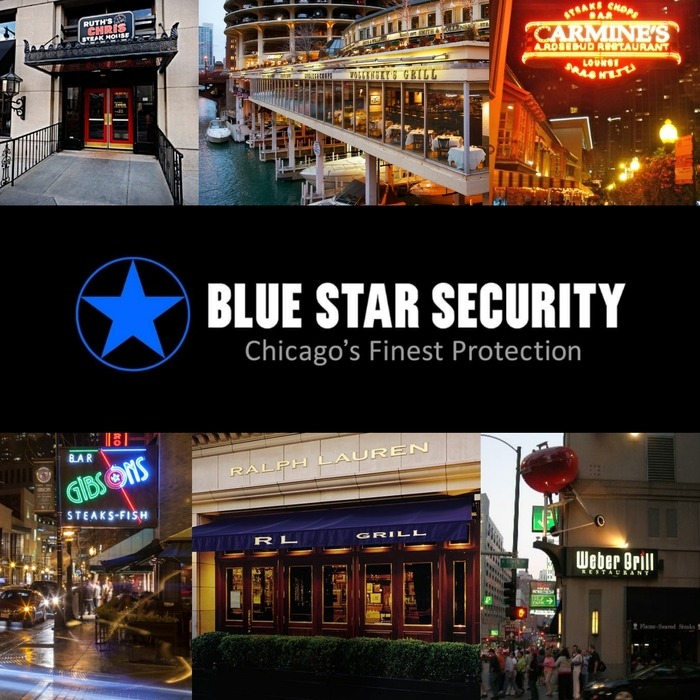
    Visit us at, https://bluestarsecurityllc.com/retail-security/, to learn more, and request more information on Restaurant Security.

  • Charles Tillman Cornerstone Foundation: Sports & Sparkle Gala

    Charles Tillman Cornerstone Foundation: Sports & Sparkle Gala

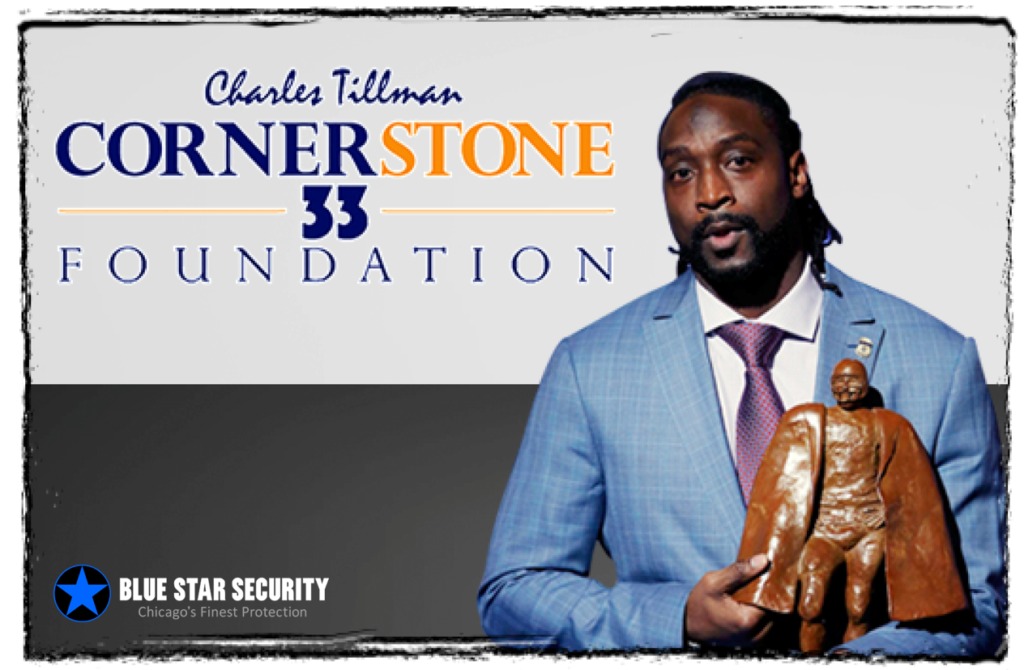
    We are bursting with excitment to be apart of Sports & Sparkle Gala hosted by, The Charles Tillman Cornerstone Foundation!

    If you’re interested in attending this years Sports & Sparkle Gala, contact Big Mouth Marketing.


    The event will take place on May 3rd 2018, from 6:30pm-10pm.

    Where fundraising and tailgating meet!! The night will be full of fun iconic Chicago sporting themes and games, silent and live auctions along with commentary from the hysterical Charles “Peanut” Tillman with special guest Stefanie Boyce.

    Event Dress Code: This is your time to shine WHILE being comfortable with a side of fancy! Cocktail dresses and Jordan’s (or your favorite comfortable shoes) Suits and your favorite jerseys are fully supported. This is the fanciest tailgate you will ever go to!

    • BBQ Buffet
    • Q&A with Peanut
    • Picture with Peanut
    • Access to the raffle and auction items.

    The Charles Tillman Cornerstone Foundation provides opportunities and resources to children and their families who are in need. Since 2005, Charles Tillman’s charitable efforts have impacted the lives of thousands of critically and chronically ill children and their families. We would like to sincerely thank you for having such a caring and giving heart, and all of your heartfelt contributions.


    If you are interested in sponsorship opportunities, please contact Big Mouth Marketing (773) 999-0043.

  • Illinois School Districts Increasing Campus Security

    Illinois School Districts Increasing Campus Security

    Since the fatal February 14th shooting at Marjory Stoneman Douglas High School in Parkland, FL, some school districts in the Fox Valley Region and the St. Charles School District of Illinois are increasing security at their campuses. According to officials, some of the security upgrades were already in motion, but the Parkland shooting has heightened the focus on student safety.

    St. Charles School District 303 is working on a planned $1 million in security upgrades, part of a series of security upgrades that began to be implemented about three years ago. In addition to the Parkland shooting, the district received more money this year in allocated funds for the upgrades and was able to proceed with upgrades faster. The planned upgrades to St. Charles schools include bullet-resistant glass or coating, designed to prevent glass from shattering where an intruder could shoot it out and crawl through the hole created. The district also wants to add a second layer of security to sign-in and building entrances.

    There is no way to predict when or where an active shooter event may happen. The three most common places they occur are businesses, schools, and government facilities. However, studies have shown that they tend to focus on soft targets vulnerable targets are locations in which there is little to no security, easy access to the location, and dense groups of people.

    These episodes are financially, physically and emotionally disastrous to the organizations that are targeted. The solution to reducing the damage caused to both human lives and financial loss is preparation. Blue Star Security’s advanced in-depth preparation and detailed planning could prevent your organization from being targeted or reduce the impact if an attack occurs.


    Contact us at, https://bluestarsecurityllc.com/contact-us/, to see how we can provide a better, and safer environment for your school!