
How to Prevent Cargo Theft Across the Supply Chain in 2026
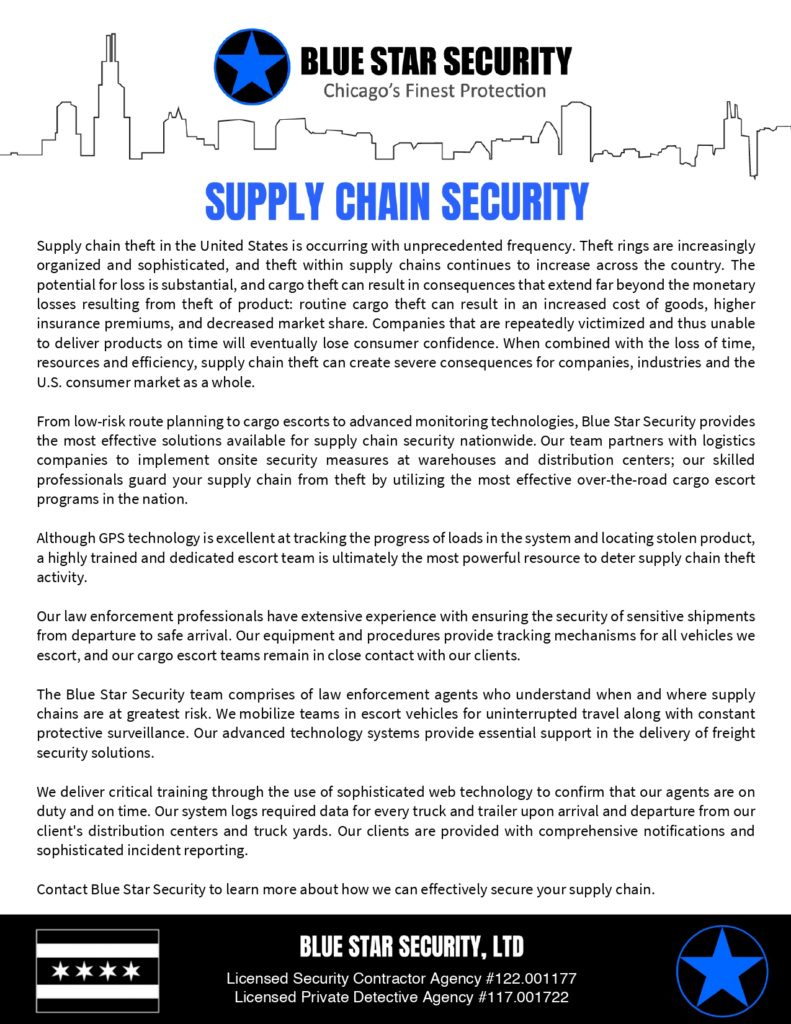
The global supply chain is entering a major reset in 2026. For U.S. companies, the landscape is being reshaped by geopolitical tension, shifting trade rules, rapid technology adoption, and higher expectations around speed, transparency, and resilience. As supply chains become more complex, so do the risks, especially when it comes to cargo theft.
Companies that succeed in 2026 won’t just be faster or cheaper. They’ll be more strategic, more diversified, and far more intentional about how they protect goods as they move across borders, facilities, and transportation networks.
Below are the most important supply chain changes companies should be preparing for—and what they mean for cargo theft prevention.
1. Supply Chain Security Risks Are Expanding as Networks Diversify
Many U.S. companies are actively reducing reliance on a single overseas supplier, particularly in China. Instead, they’re adopting diversification strategies that include near-shoring and regional sourcing across Southeast Asia, Mexico, and other markets. This shift improves flexibility, but it also introduces unfamiliar routes, new vendors, and additional handoff points.
Every new supplier and transit lane creates another opportunity for theft if security standards aren’t aligned. Consistent supply chain security across locations becomes essential as companies rapidly vet, onboard, and scale new partners while balancing compliance, cost control, and sustainability goals.
2. Trade Policy Volatility Is Increasing Supply Chain Security Pressure
Tariffs, export controls, and retaliatory trade measures continue to evolve, often with little warning. Increased scrutiny of trans-shipment routes and documentation means delays are more common—and delays create risk.
When cargo sits longer than expected at ports, yards, or temporary storage facilities, it becomes a more attractive target. Supply chain security strategies in 2026 must be agile enough to adjust as regulations change, ensuring assets remain protected even when routes or timelines shift unexpectedly.
3. Cargo Theft Is Getting Smarter and More Strategic
Cargo theft is no longer opportunistic. Organized groups study shipping patterns, exploit predictable dwell times, and target high-value loads during transitions—especially when companies are under pressure to move faster.
Supply chain security planning must be proactive, not reactive. Visible deterrents, trained security personnel, and active monitoring at known risk points can disrupt theft before it happens, rather than responding after a loss has already occurred.
4. Near-Shoring Brings Supply Chain Security Challenges Closer to Home
As operations move closer to U.S. markets, companies are running into new constraints. Labor shortages, aging infrastructure, rising fuel costs, and limited warehouse capacity all put stress on logistics networks.
These pressures increase reliance on temporary yards, overflow facilities, and extended storage times—exactly the environments where theft thrives. Strengthening supply chain security at domestic facilities is just as important as protecting international shipments.
5. Technology Helps—but Supply Chain Security Still Needs People
Digital tools such as tracking platforms, predictive analytics, and automation are becoming standard across supply chains. They improve visibility and planning, but they don’t physically stop theft.
Supply chain security works best when technology is paired with trained professionals who can respond in real time. Human oversight adds judgment, accountability, and immediate action when alerts are triggered or conditions change.
6. Supply Chain Security Is Now a Strategic Business Function
In 2026, supply chains are no longer viewed as cost centers. They are competitive advantages. Well-designed operations improve speed to market, support sustainability initiatives, and strengthen brand credibility.
That shift makes supply chain security a business requirement, not an optional add-on. Clients, insurers, and partners increasingly expect documented security measures, clear procedures, and proven risk mitigation across the entire chain.
7. Coordination Is the Weakest Link in Supply Chain Security
As supply chains become more diversified and digitized, breakdowns often occur between stakeholders. Warehouses, carriers, vendors, and facilities may operate efficiently on their own—but gaps between them are where theft happens.
Coordinated supply chain security ensures consistent standards, clear communication, and defined responsibilities at every transition point. When security is integrated into operations instead of layered on afterward, vulnerabilities shrink fast.
Preparing for 2026 Starts with Smarter Security
The supply chain changes coming in 2026 will test how well companies balance risk management, compliance, innovation, and growth. Those that embrace diversification and digitalization while reinforcing physical security will be far better positioned to turn disruption into opportunity.
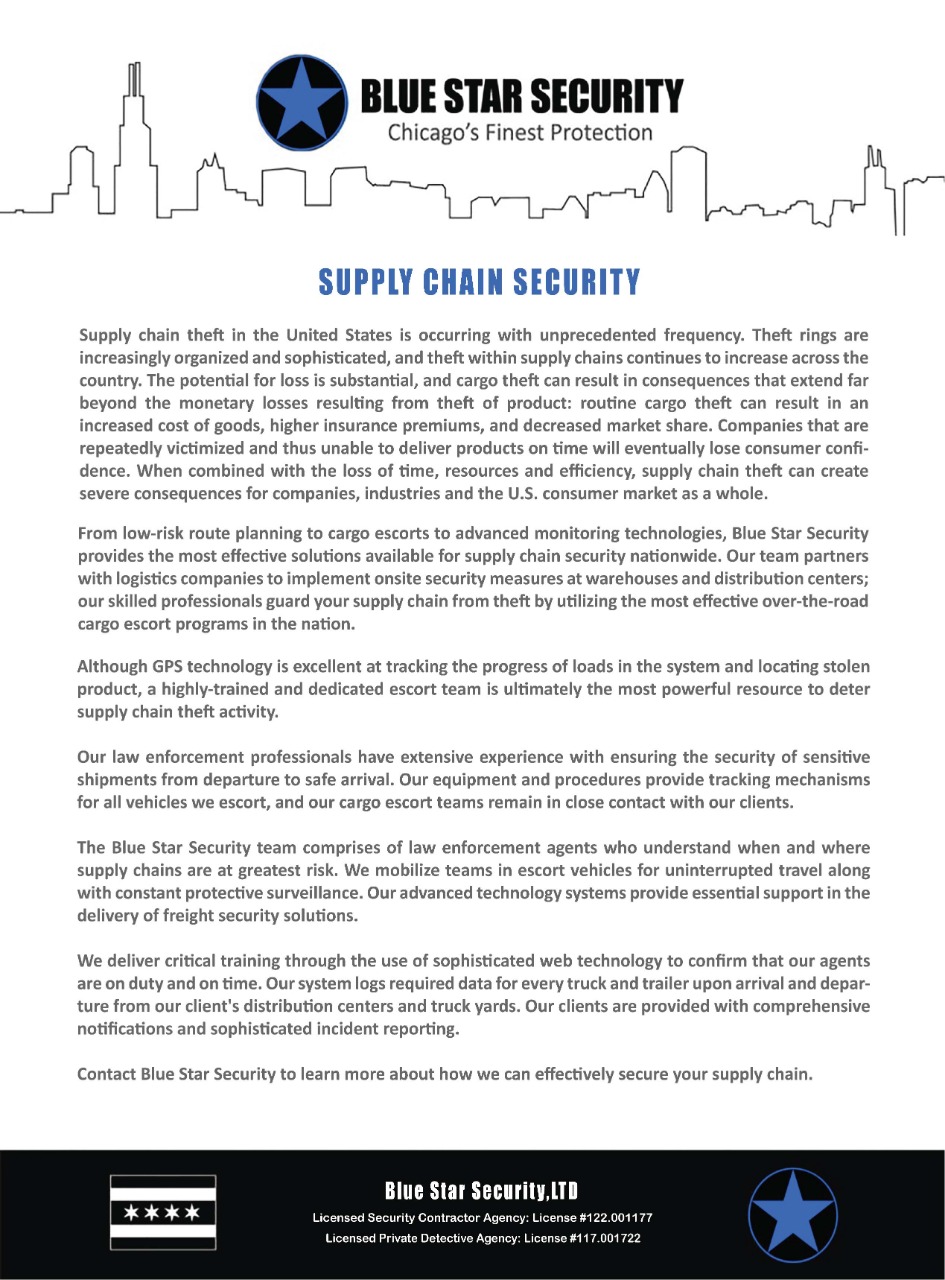
Blue Star Security supports supply chain operations with experienced professionals who understand how theft actually occurs—and how to stop it before it impacts your bottom line.
To learn more about Blue Star Security’s supply chain security services, visit
To speak directly with the team about your operations, contact us
FREQUENTLY ASKED QUESTIONS
Q: How does supply chain diversification increase cargo theft risk?
A: Diversifying suppliers and routes introduces new vendors, unfamiliar transit lanes, and more handoff points. Each transition creates a vulnerability if security standards aren’t consistent across locations, partners, and regions.
Q: Why do trade policy changes in 2026 make cargo theft more likely?
A: Shifting tariffs, inspections, and compliance rules often cause unexpected delays. When cargo sits longer at ports, yards, or temporary storage facilities, it becomes a more attractive target for organized theft groups.
Q: How has cargo theft evolved in recent years?
A: Cargo theft is now highly organized and data-driven. Criminal groups track shipping patterns, target predictable dwell times, and focus on high-value loads during transitions—not random opportunities.
Q: Does near-shoring reduce supply chain security risk?
A: Not automatically. While near-shoring shortens transit distances, it often increases domestic storage, temporary yards, and overflow facilities. These environments require the same level of security planning as international shipments.
Q: Isn’t technology enough to protect the supply chain?
A: No. Tracking systems and analytics improve visibility, but they don’t physically stop theft. Effective supply chain security combines technology with trained personnel who can deter, intervene, and respond in real time.
Q: Why is supply chain security now considered a business strategy?
A: In 2026, supply chains directly impact revenue, reputation, and customer trust. Strong security supports continuity, reduces losses, and meets rising expectations from insurers, partners, and clients.
Q: Where do most supply chain security failures actually occur?
A: At transition points. Gaps between warehouses, carriers, yards, and vendors are where theft is most likely. Coordinated security standards and clear responsibility across stakeholders close those gaps quickly.