
Reputation is one of the hardest things to build—and one of the easiest things to lose. As organizations head into 2026, the speed at which information spreads, both internally and externally, means that small issues can become public problems fast. Fraud, misconduct, compliance concerns, and internal disputes don’t just create operational headaches. Left unchecked, they can quietly erode trust with employees, partners, and customers.
Early, professional investigations are one of the most effective tools organizations have to control risk before it turns into reputational damage.
Why Early Action Matters More in 2026
Companies today operate under constant scrutiny. Employees expect transparency. Clients expect accountability. Regulators expect documentation. When concerns surface—whether through a whistleblower complaint, audit irregularity, or suspicious behavior—the worst response is delay.
Prompt investigations help organizations separate fact from rumor, address legitimate concerns quickly, and demonstrate that leadership takes issues seriously. Waiting, hoping a problem resolves itself, often does the opposite. It signals inaction, increases liability, and allows narratives to form without facts.
Investigations as a Tool for Reputation Management
Investigations aren’t just about identifying wrongdoing. They’re about protecting credibility. A well-handled investigation shows that a company is proactive, fair, and committed to ethical operations.
When handled professionally, investigative services can:
- Confirm or dismiss allegations before they spread
- Preserve evidence and timelines
- Protect innocent employees from unfounded accusations
- Support leadership in making informed decisions
- Reduce the risk of legal escalation or public fallout
The key is discretion and speed—two things internal teams often struggle to balance without outside support.
Common Issues That Require Professional Investigations
Organizations across industries face similar challenges, especially at the start of a new year. Financial discrepancies after year-end reporting, internal complaints following staffing changes, or vendor-related concerns often surface in Q1.
Professional investigative services can assist with matters such as employee misconduct, fraud, theft, policy violations, conflicts of interest, and compliance concerns. Addressing these issues early helps keep them contained and minimizes disruption to daily operations.
Investigations and Internal Threat Detection
Not all risks come from outside actors. Insider threats—whether intentional or accidental—are among the most damaging to a company’s reputation. Misuse of access, falsified records, or unethical behavior by trusted employees can be especially difficult to identify without proper investigative experience.
Investigative professionals know how to gather facts objectively, interview involved parties, and document findings in a way that stands up to internal review or external scrutiny. This structured approach reduces emotion-driven decisions and helps leadership respond confidently.
The Role of Confidentiality in Investigations
Confidentiality is critical. Poorly managed investigations can do as much reputational harm as the issue itself. Gossip, leaks, and inconsistent messaging undermine trust and create unnecessary exposure.
Professional investigative services prioritize discretion at every stage. Information is shared only on a need-to-know basis, evidence is handled securely, and findings are presented clearly and responsibly. This protects both the organization and the individuals involved.
Investigations That Support Long-Term Stability
Investigations aren’t just reactive tools—they’re part of a broader risk management strategy. By identifying patterns, gaps in policy, or procedural weaknesses, investigative findings can help organizations strengthen controls and prevent repeat issues.
This proactive mindset turns investigations into a business asset rather than a crisis response. The result is stronger governance, clearer expectations, and greater confidence from stakeholders.
A Professional Approach to Investigative Services
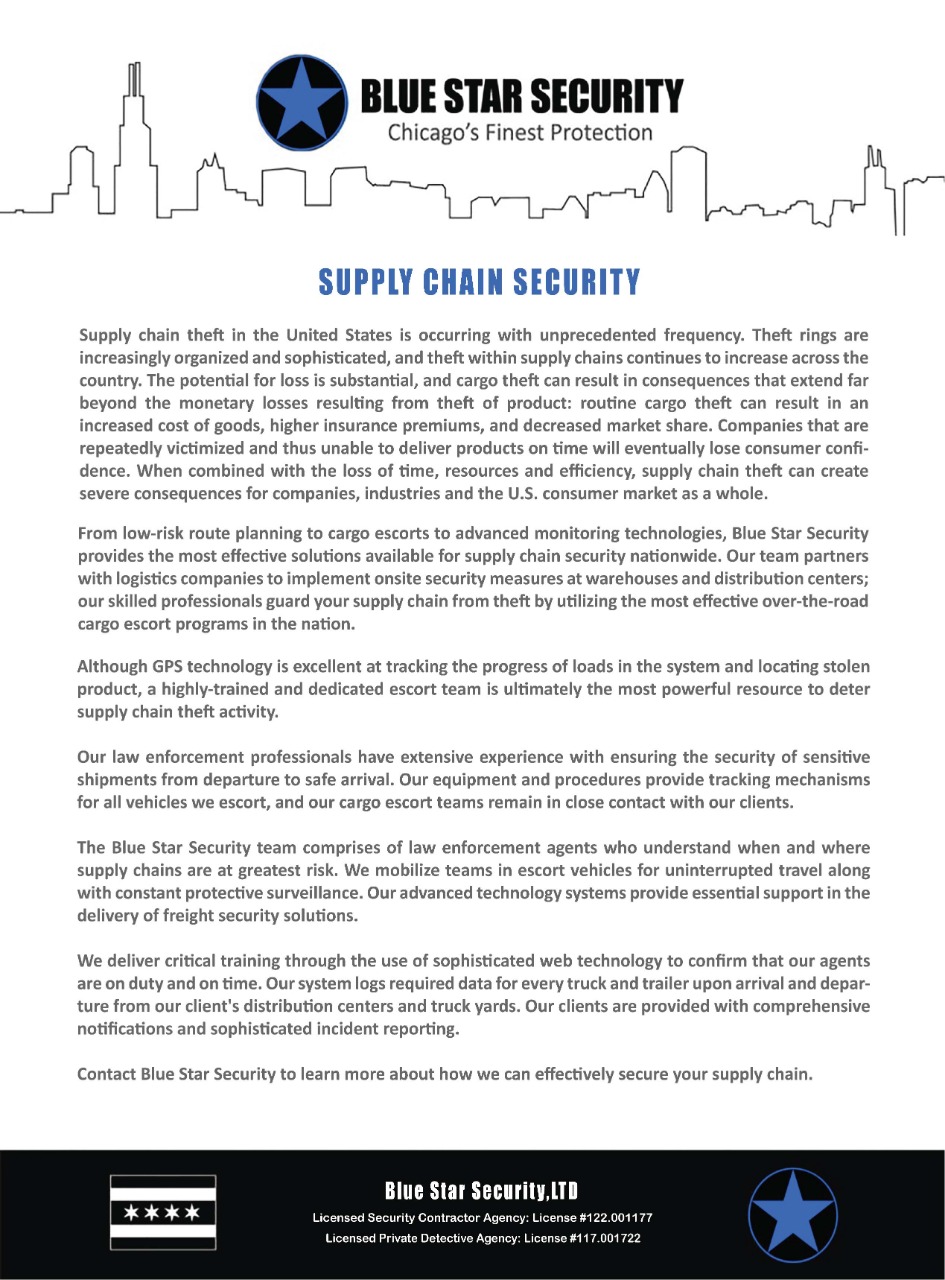
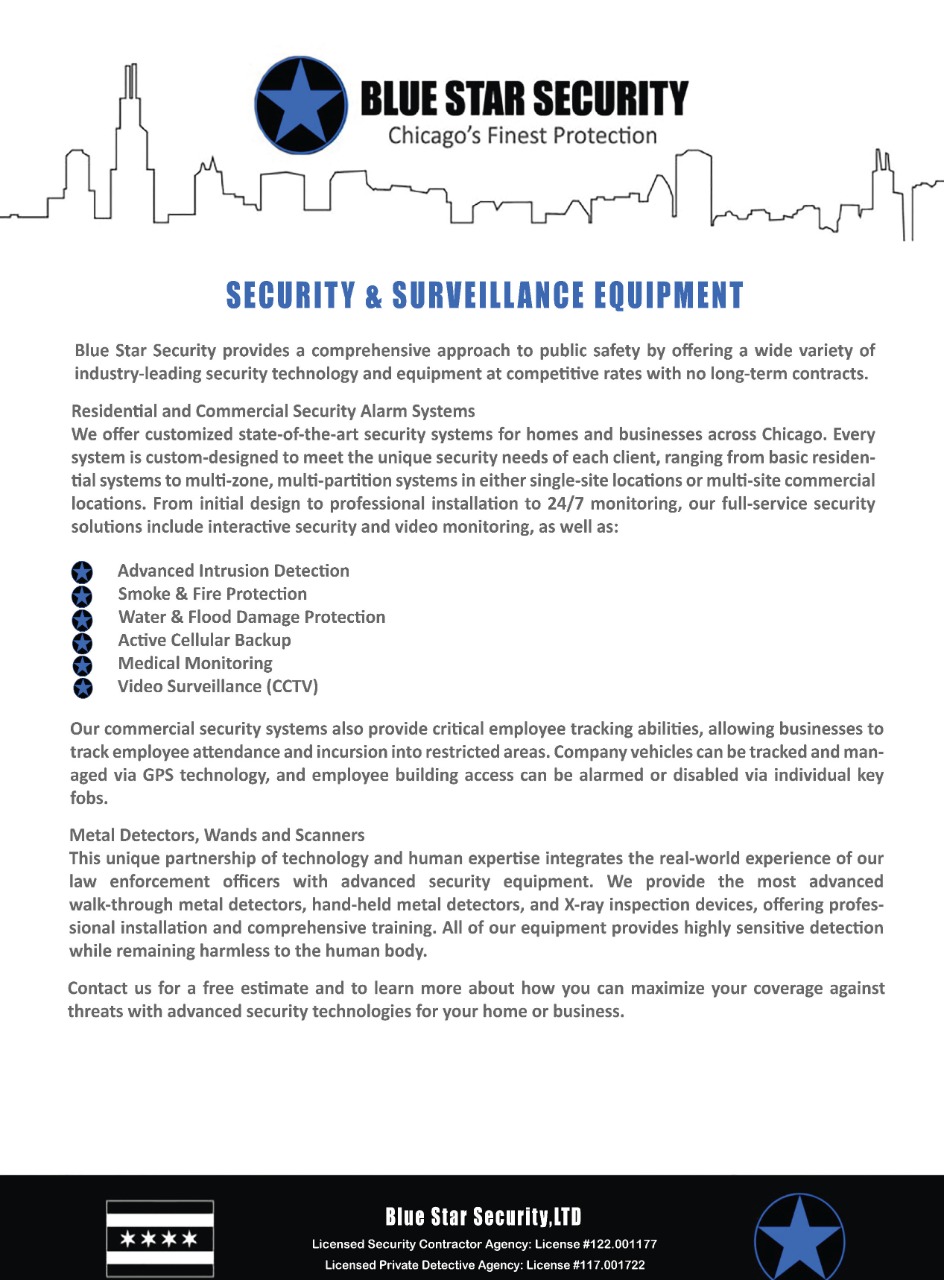
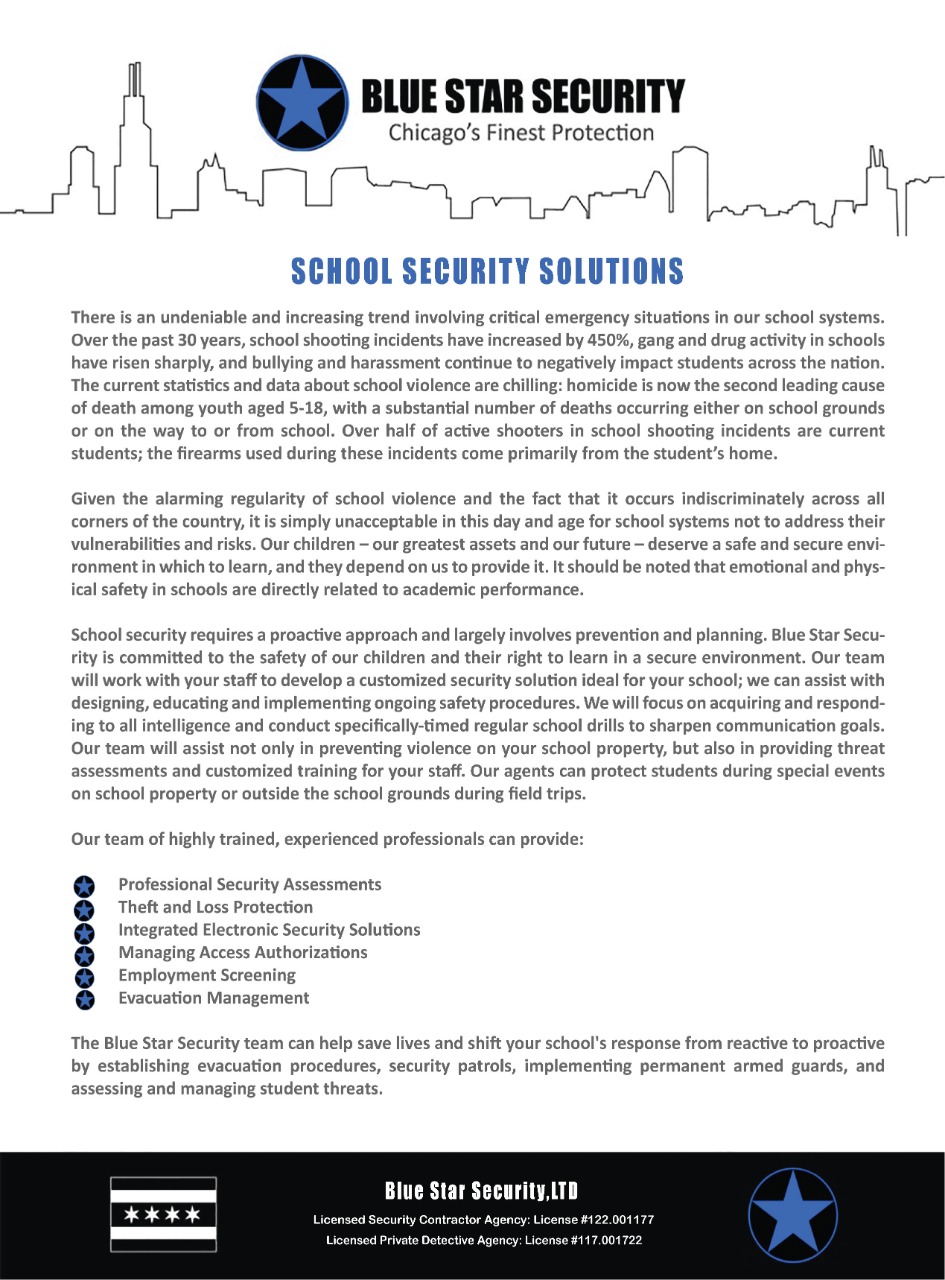
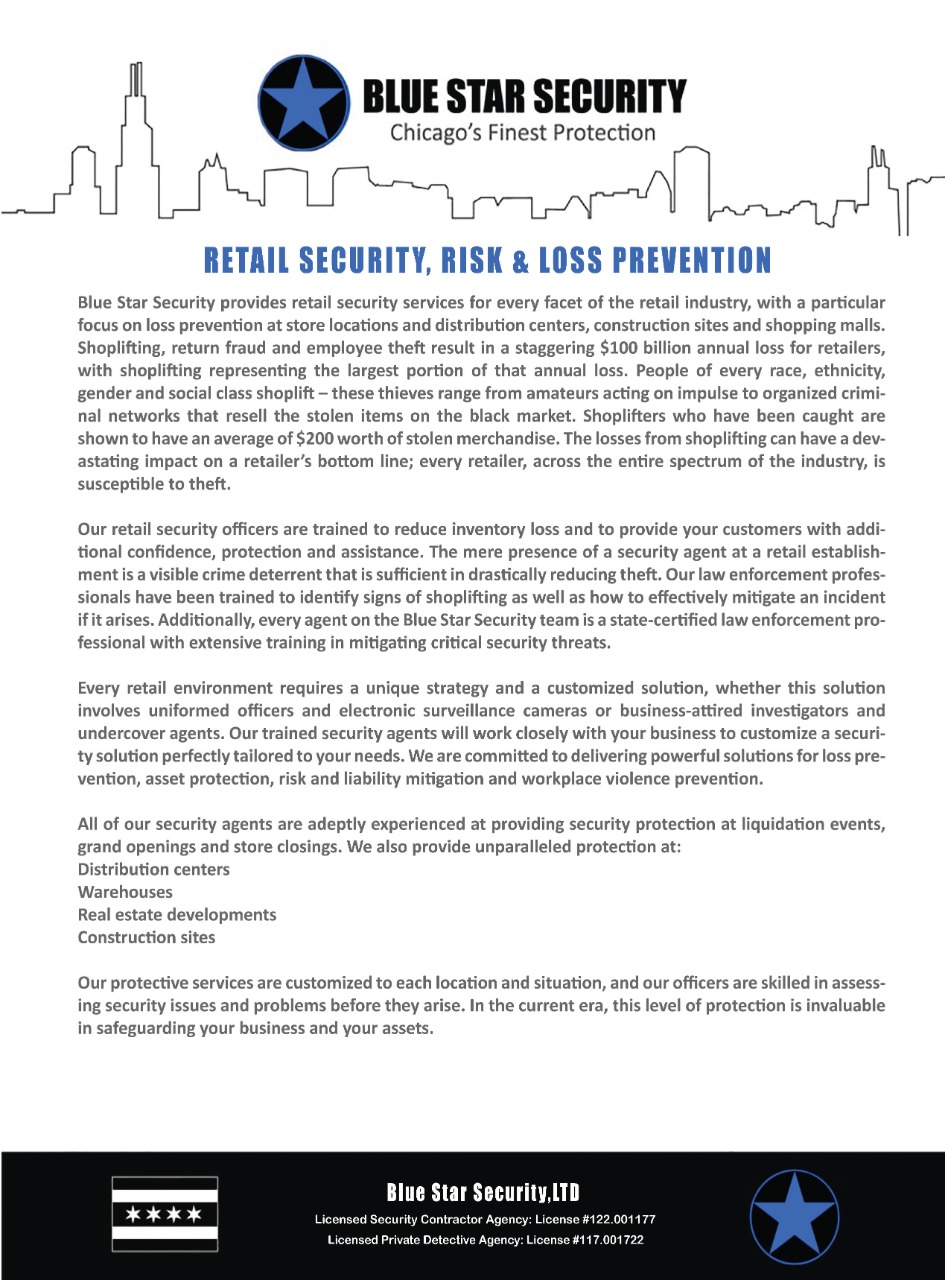
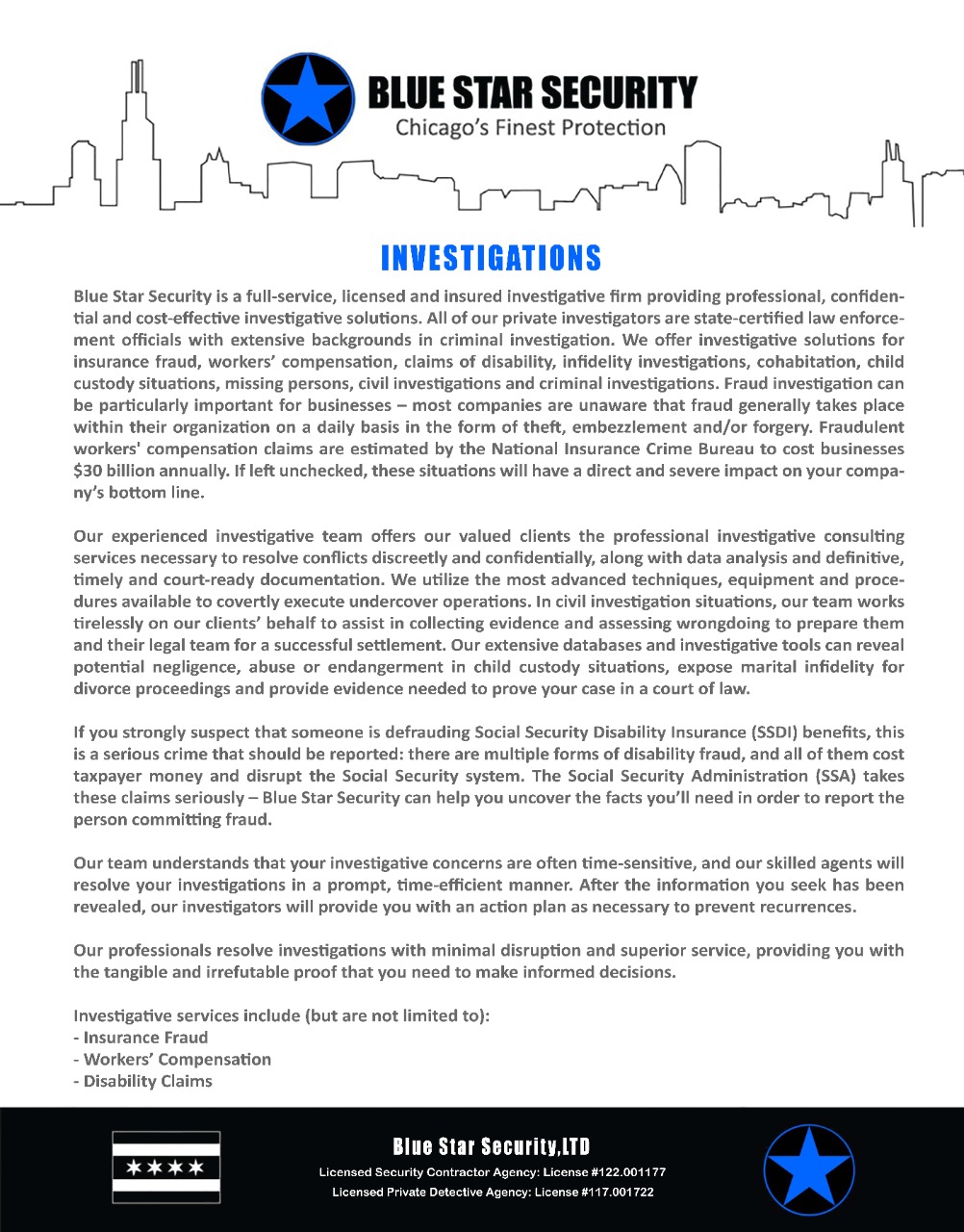
Blue Star Security provides investigative services designed to support organizations before issues escalate. As a full-service investigative firm, Blue Star Security operates with the professionalism, discretion, and accountability businesses expect when reputation is on the line.
All investigative work is conducted by licensed and insured professionals, and every investigator is a state-certified law enforcement official with extensive experience in criminal investigations. That background brings real-world insight, disciplined processes, and credibility to every case—while remaining confidential, efficient, and cost-conscious.
Early action can make the difference between a resolved issue and lasting reputational damage. To learn more about professional investigative services and how they support organizational integrity, visit
Frequently Asked Questions
Q: What types of issues can investigative services address?
A: Investigative services can assist with fraud, employee misconduct, theft, compliance concerns, internal disputes, and other issues that pose operational or reputational risk.
Q: Why are early investigations so important?
A: Early investigations help contain issues, preserve evidence, and prevent misinformation from spreading internally or externally.
Q: Are investigations kept confidential?
A: Yes. Professional investigative services prioritize discretion and protect sensitive information throughout the process.
Q: Can investigations help prevent future problems?
A: Absolutely. Findings often reveal policy gaps or risk areas that organizations can address to reduce future incidents.
Q: Who conducts the investigations?
A: Investigations are handled by experienced, state-certified law enforcement professionals with extensive investigative backgrounds.