
Protecting People, Assets, and Operations from Internal and External Threats
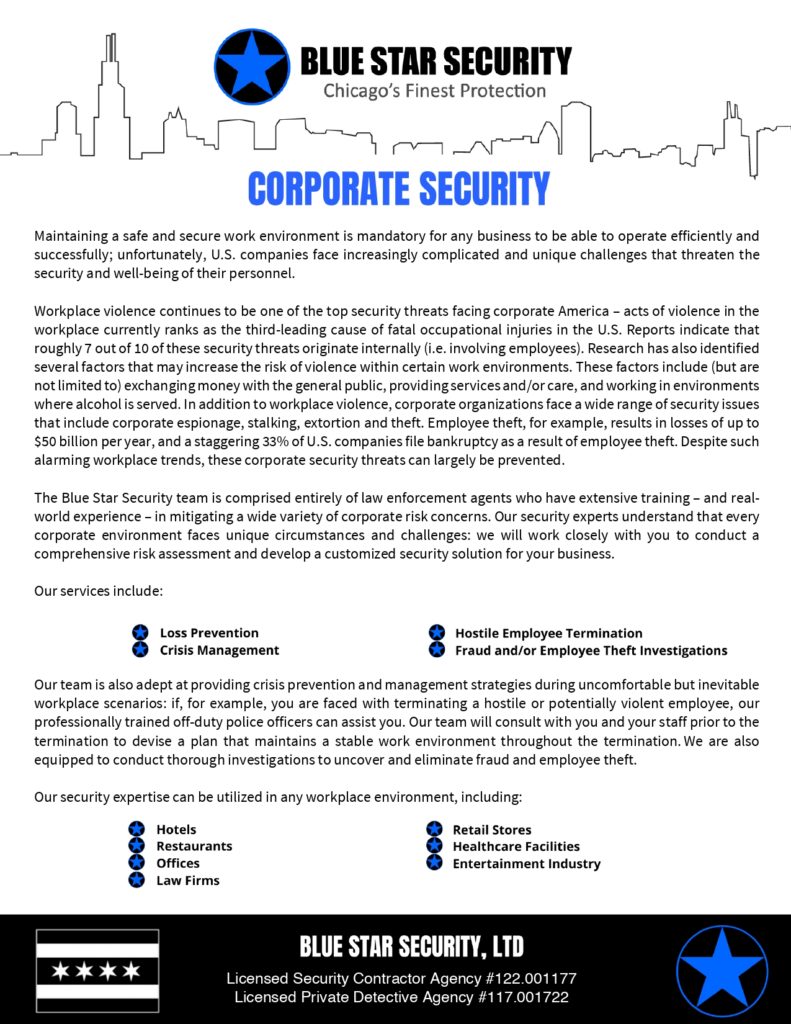
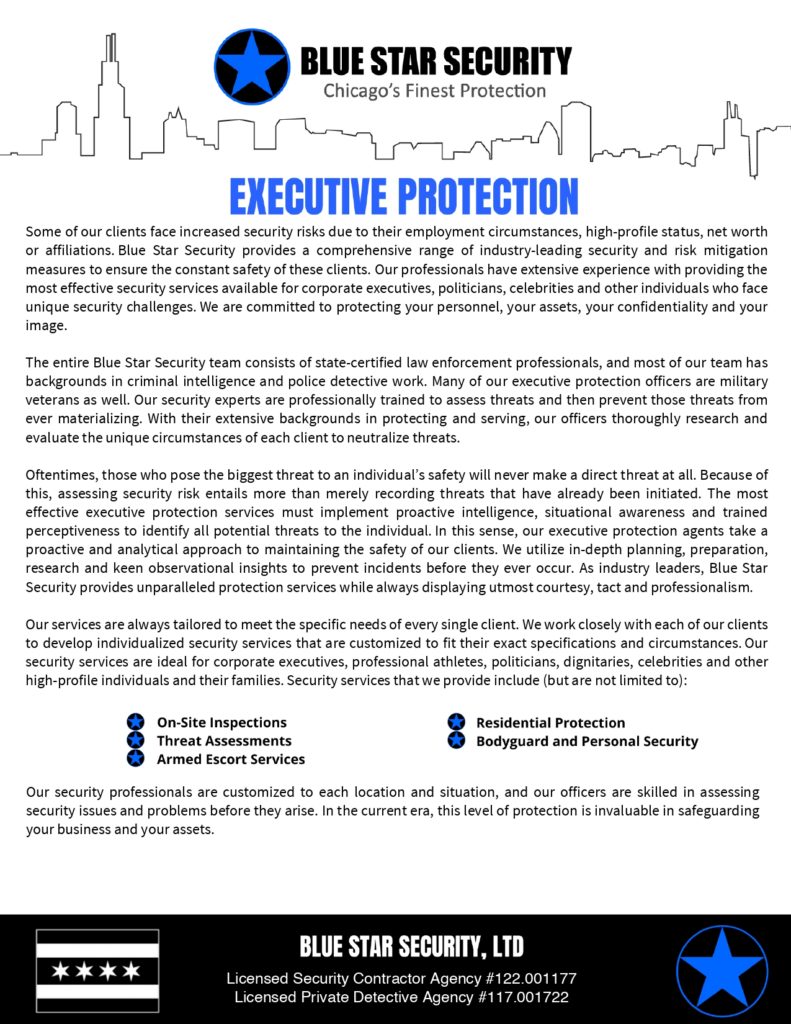
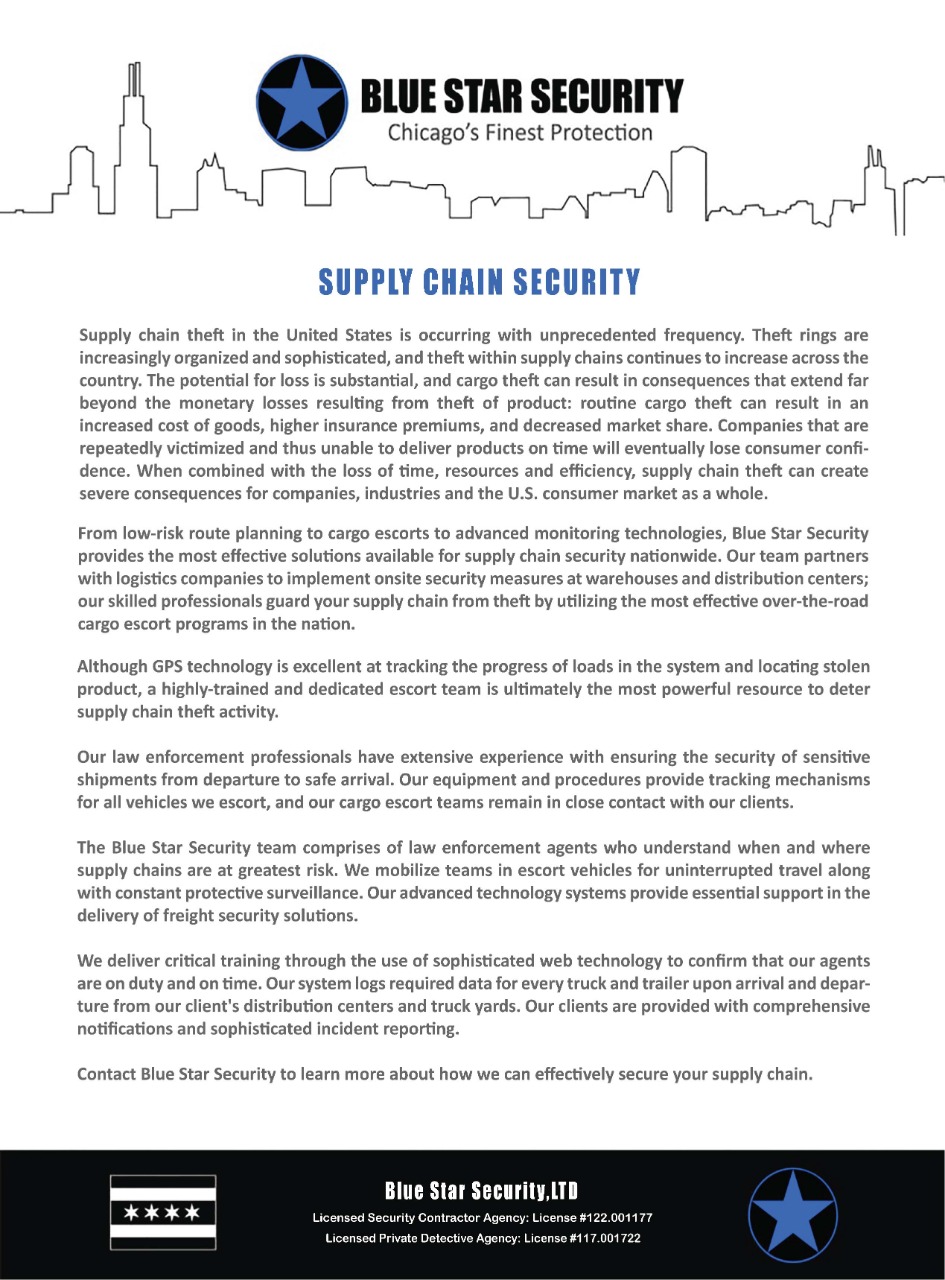
As businesses move into 2026, corporate security is no longer a background function—it’s a business continuity requirement. Organizations are facing a wider range of risks than ever before, from physical security threats and internal misconduct to operational disruptions and emergency scenarios. Effective planning means looking beyond isolated solutions and building a coordinated strategy that protects people, assets, and daily operations without slowing the business down.
Corporate security works best when physical protection, investigative services, risk management, and emergency planning operate together. When one piece is missing, gaps appear—and gaps get exploited.
Corporate Security in 2026: Why a Broader Approach Matters
Threats to corporate environments rarely come from just one direction. External risks like theft, trespassing, and targeted violence remain concerns, but internal threats such as fraud, workplace conflicts, and insider access misuse can be just as damaging. In 2026, corporate security planning must address both sides of the equation.
A layered approach allows organizations to deter incidents, detect problems early, and respond effectively when issues arise. This is where professional corporate security services provide real value—not just through presence, but through planning and coordination.
Physical Measures That Form the Foundation of Corporate Security
Physical security remains the first line of defense for corporate facilities. Trained security officers help deter unauthorized activity, manage access points, and provide rapid response when incidents occur. Their presence alone can significantly reduce risk, especially in offices with high foot traffic, multiple tenants, or valuable assets.
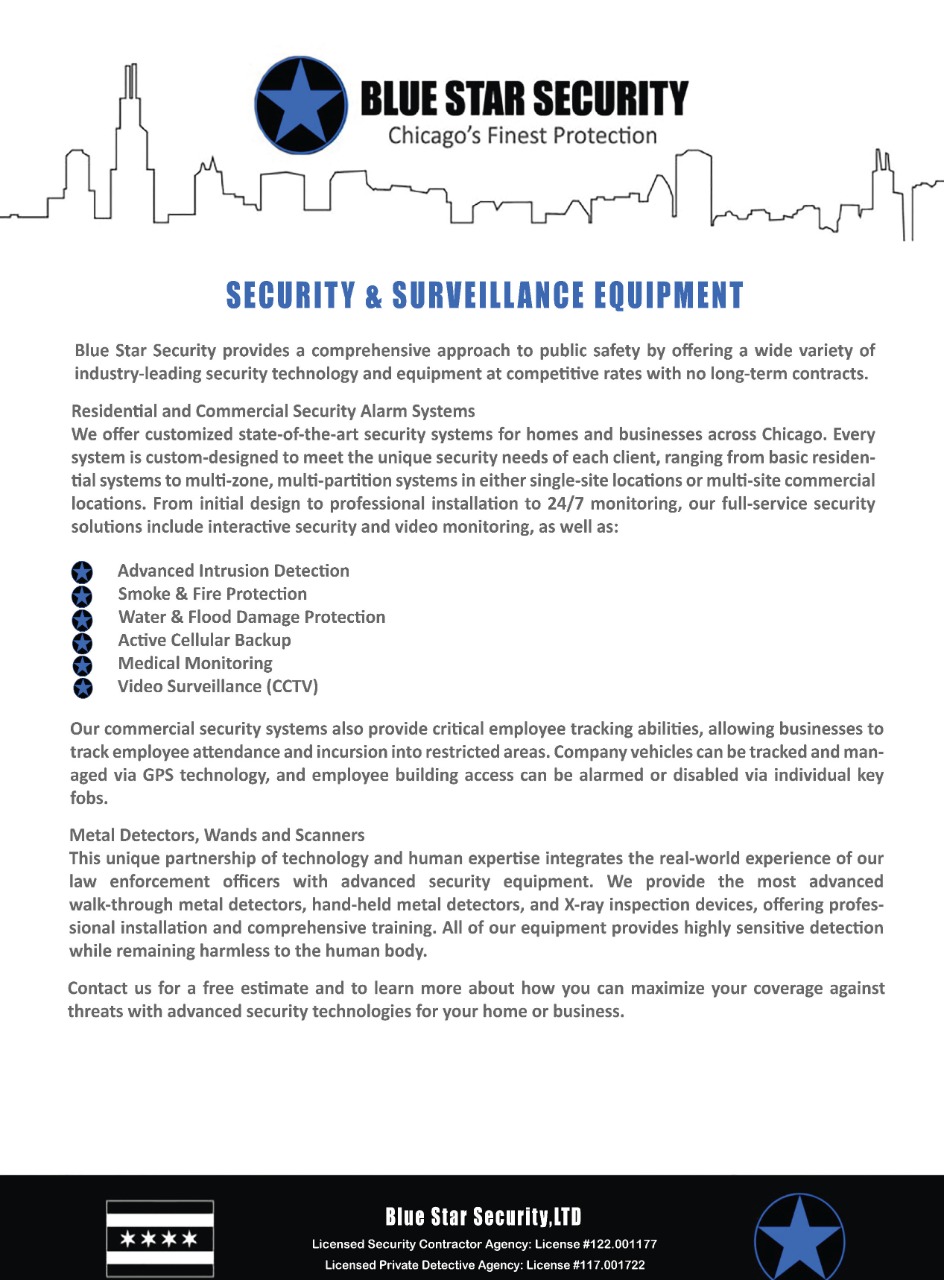
Access control systems add another layer by limiting who can enter specific areas and when. Badge systems, visitor management protocols, and monitored entry points help prevent both external intrusions and internal misuse of access privileges.
CCTV systems support these efforts by providing real-time visibility and recorded documentation. Properly positioned and monitored cameras can discourage criminal behavior, assist with investigations, and improve overall accountability throughout the workplace.
Corporate Security and Investigative Services: Addressing Internal Risks
Not all threats walk in through the front door. Background checks are a critical part of corporate security planning, helping organizations verify employment history, credentials, and potential red flags before bringing someone into the workplace.
Investigative services also play an important role when concerns arise internally. Fraud detection, misconduct investigations, and incident follow-ups help organizations identify issues early and take corrective action before problems escalate. These services protect not only company assets, but also workplace culture and employee trust.
When investigative capabilities are integrated with physical security and management teams, organizations are better equipped to respond calmly, legally, and effectively.
Corporate Security Risk Management Through Assessments and Training
Risk management is where corporate security planning becomes proactive instead of reactive. Security assessments evaluate facilities, policies, and procedures to identify vulnerabilities that may not be obvious during day-to-day operations.
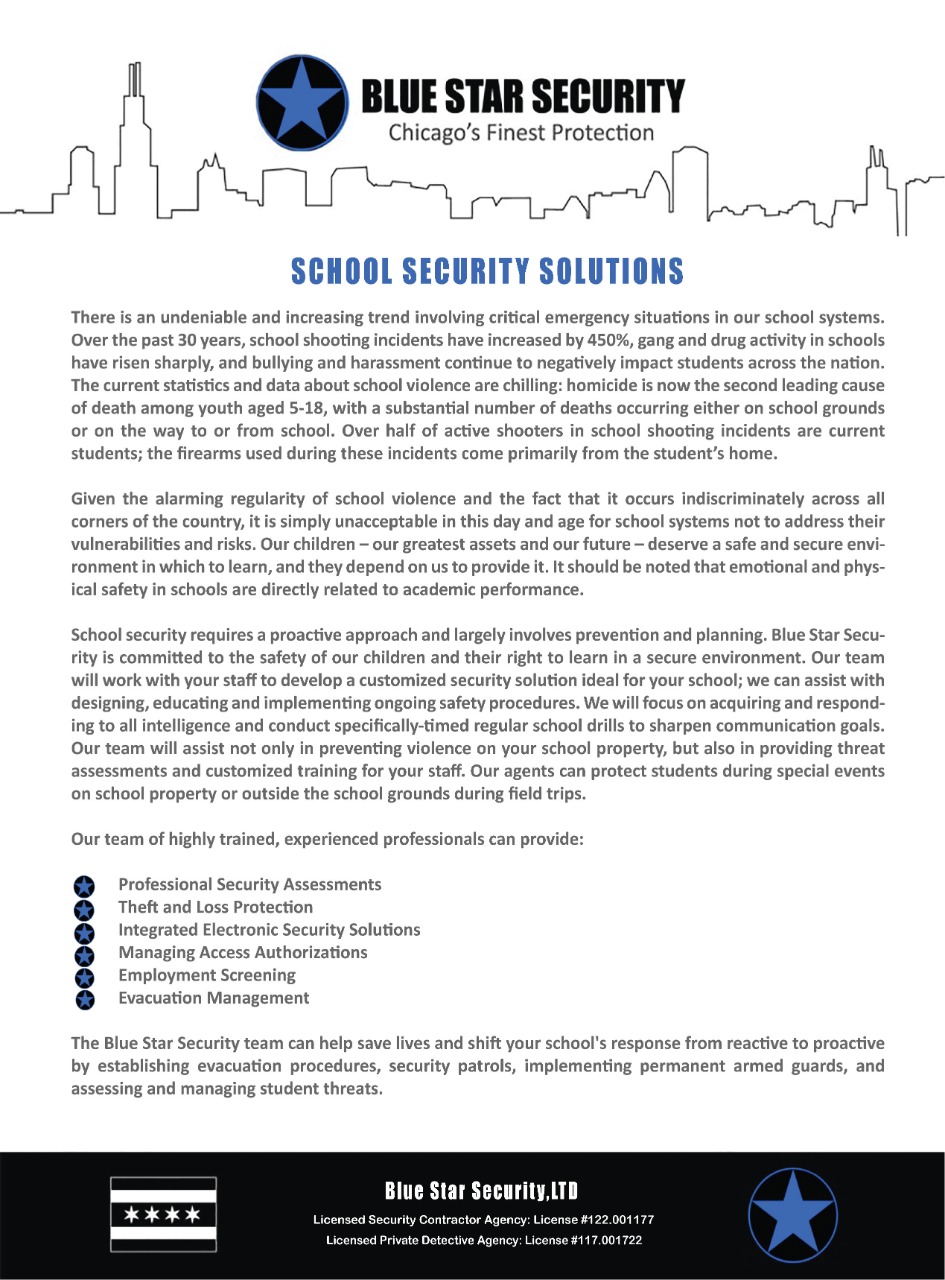
Training is equally important. Employees are often the first to notice unusual behavior or safety concerns, but only if they know what to look for and how to respond. Corporate security training can cover topics such as situational awareness, emergency procedures, and reporting protocols, helping staff become part of the security solution rather than an afterthought.
Emergency Planning as a Core Part of Corporate Security
Emergencies don’t follow schedules. Whether it’s a medical incident, fire, severe weather event, or security threat, organizations need clear response plans that prioritize safety and minimize operational disruption.
Emergency planning includes evacuation procedures, shelter-in-place protocols, communication strategies, and coordination with local first responders. When these plans are developed and rehearsed in advance, response times improve and confusion decreases.
Corporate security teams play a critical role in emergency preparedness by helping design these plans and ensuring trained personnel are ready to act when needed.
Bringing Corporate Security Together for Business Continuity
The goal of corporate security planning for 2026 isn’t just incident prevention—it’s resilience. When physical security, investigative services, risk management, and emergency planning work together, organizations are better positioned to maintain operations even when challenges arise.
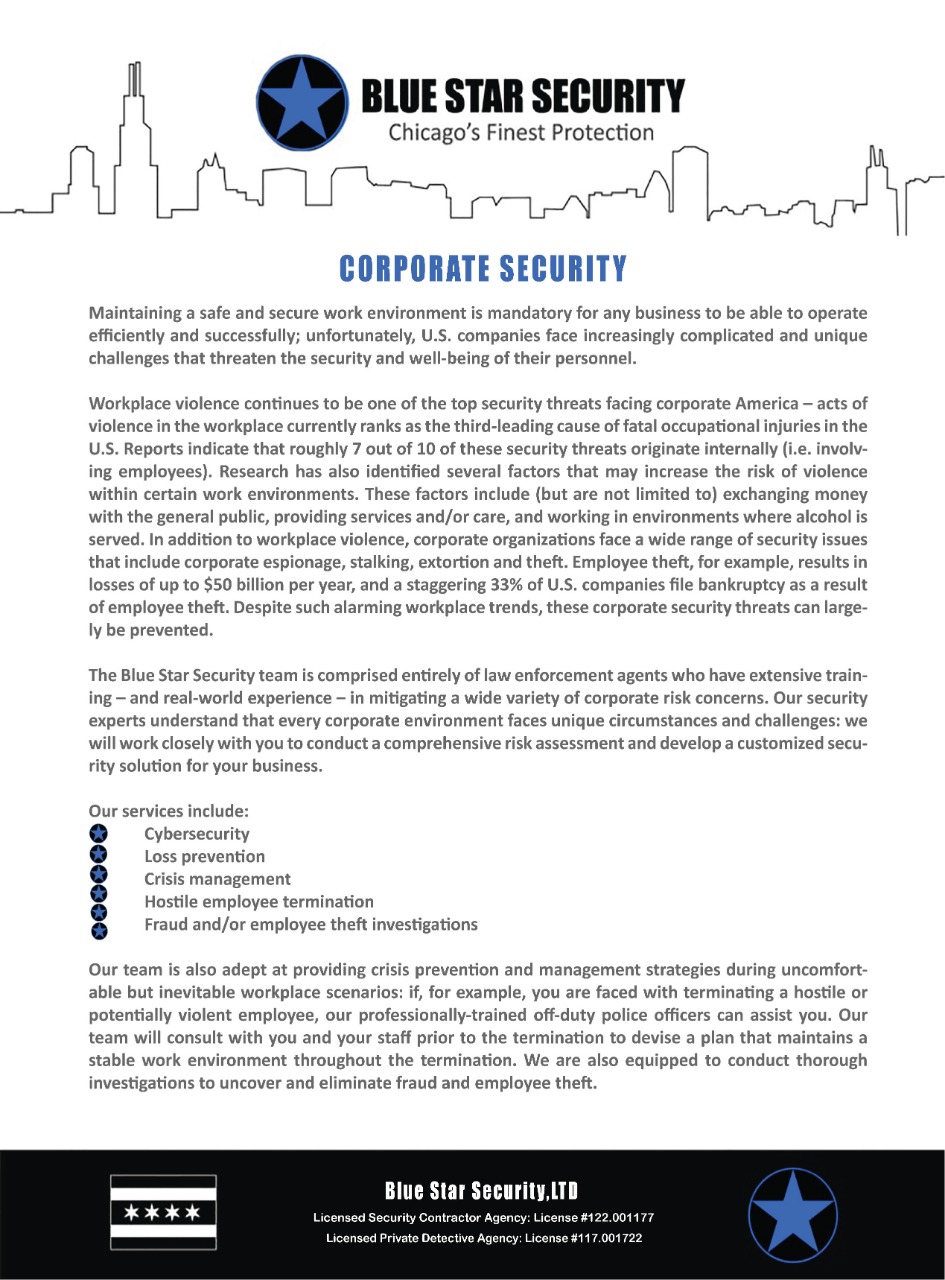
Blue Star Security supports businesses with comprehensive corporate security services designed to adapt to changing risks, evolving workplaces, and long-term operational goals. By focusing on prevention, preparedness, and professional response, corporate security becomes a strategic asset rather than a reactive expense.
A strong security plan doesn’t happen by accident. To learn how professional corporate security services can support your organization in 2026 and beyond, visit
Frequently Asked Questions
Q: What is corporate security?
A: Corporate security includes the strategies, personnel, and systems used to protect employees, facilities, assets, and operations from internal and external threats.
Q: Why is corporate security planning important for 2026?
A: Businesses face evolving risks, including workplace violence, internal misconduct, and operational disruptions. Proactive planning helps prevent incidents and supports business continuity.
Q: How do physical security and investigations work together?
A: Physical security deters and detects incidents, while investigative services address underlying issues such as fraud, misconduct, or policy violations, creating a more complete security strategy.
Q: What role does employee training play in corporate security?
A: Training improves awareness, encourages proper reporting, and helps employees respond effectively during emergencies or security incidents.
Q: Can corporate security be customized for different industries?
A: Yes. Effective corporate security planning is tailored to the size, layout, workforce, and risk profile of each organization.